Loading

Latest happenings, achievements, and milestones.
Most recent publications on Google Scholar and other platforms.
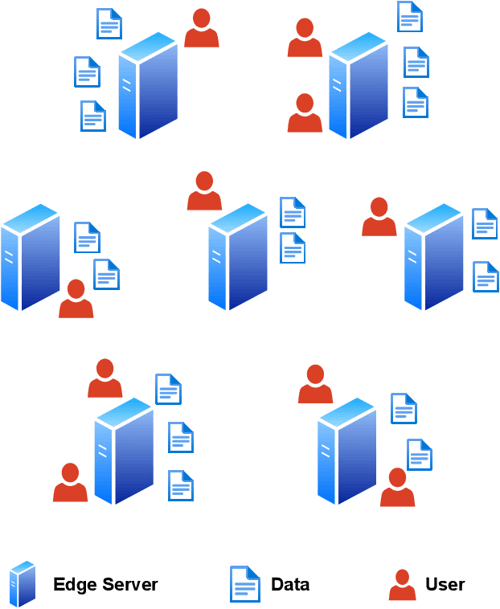
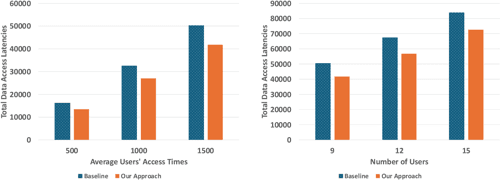
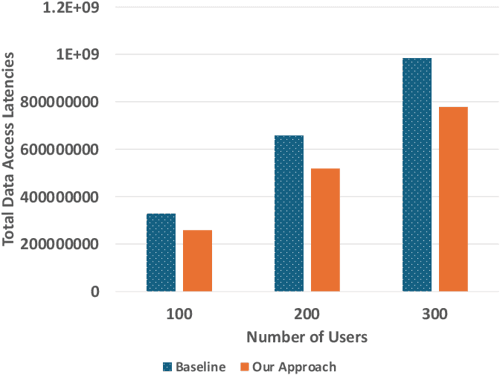
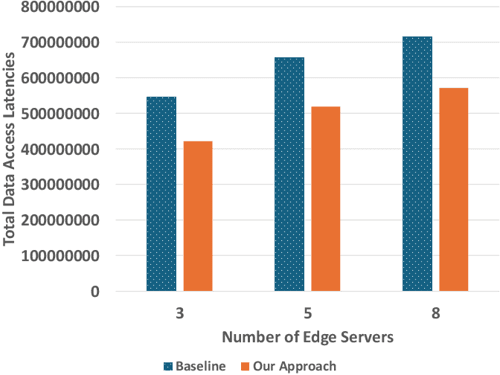
Edge computing has been a novel computing paradigm that can improve system performance by positioning server resources closer to users. In edge computing, edge servers store data from data sources and provide shorter data access latencies for users....
Read moreShow lessEdge computing has been a novel computing paradigm that can improve system performance by positioning server resources closer to users. In edge computing, edge servers store data from data sources and provide shorter data access latencies for users. In this paper, we investigate the impact of data allocation on data access latencies by considering multiple factors, including heterogeneous user access frequencies, diverse data sizes, varying numbers of data and users, and data access bandwidth differences. We propose a data allocation approach to improve the performance by reducing the total data access latencies for users in edge computing. We evaluate our approach by implementing it using Raspberry Pi devices and conducting hands-on experiments. We also run extensive simulations for large-scale deployments to show the performance. Both implementation and simulation results demonstrate our approach can effectively reduce the total data access latencies for users.
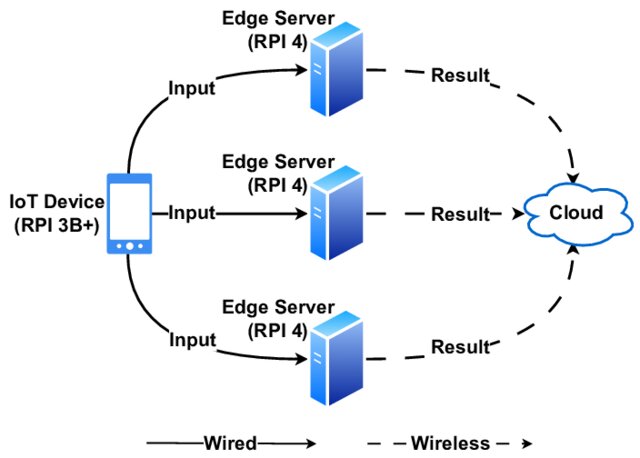
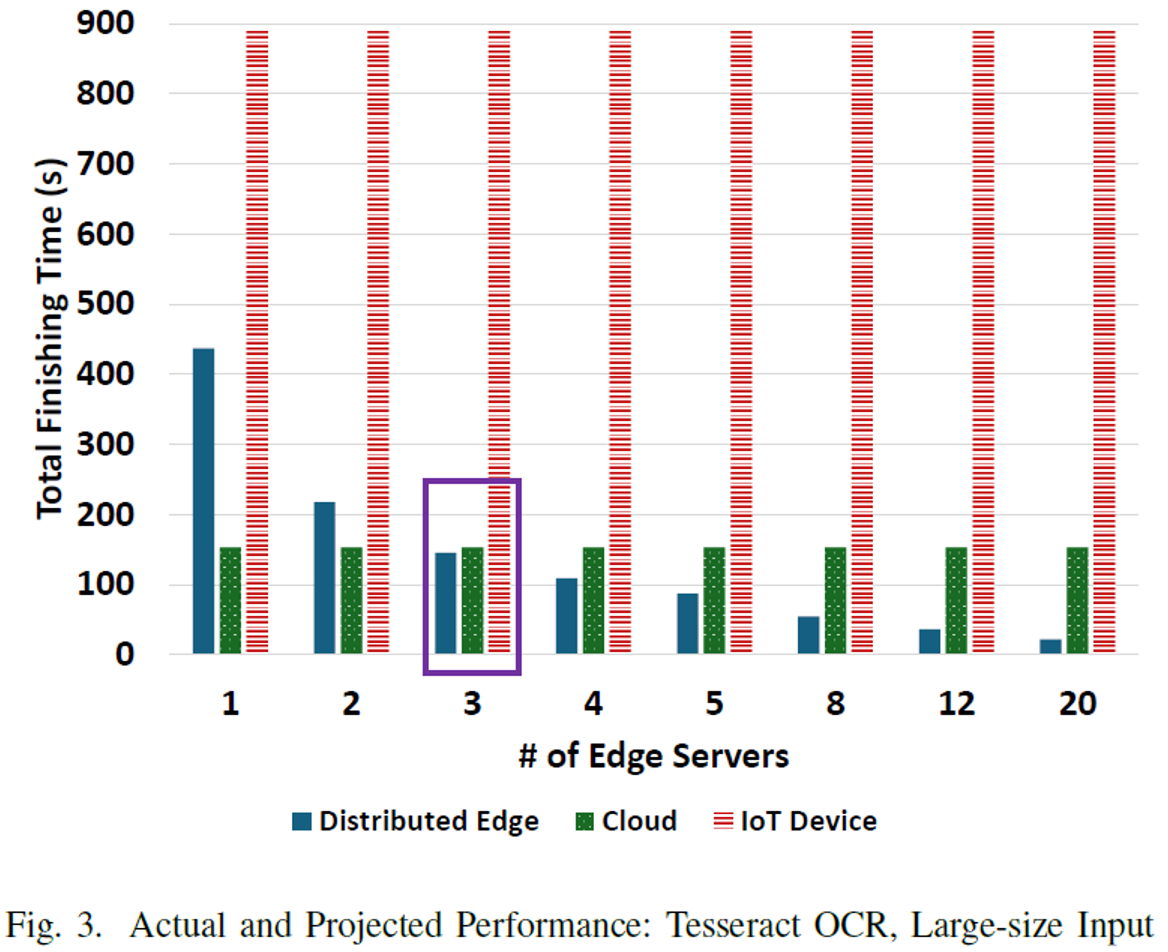
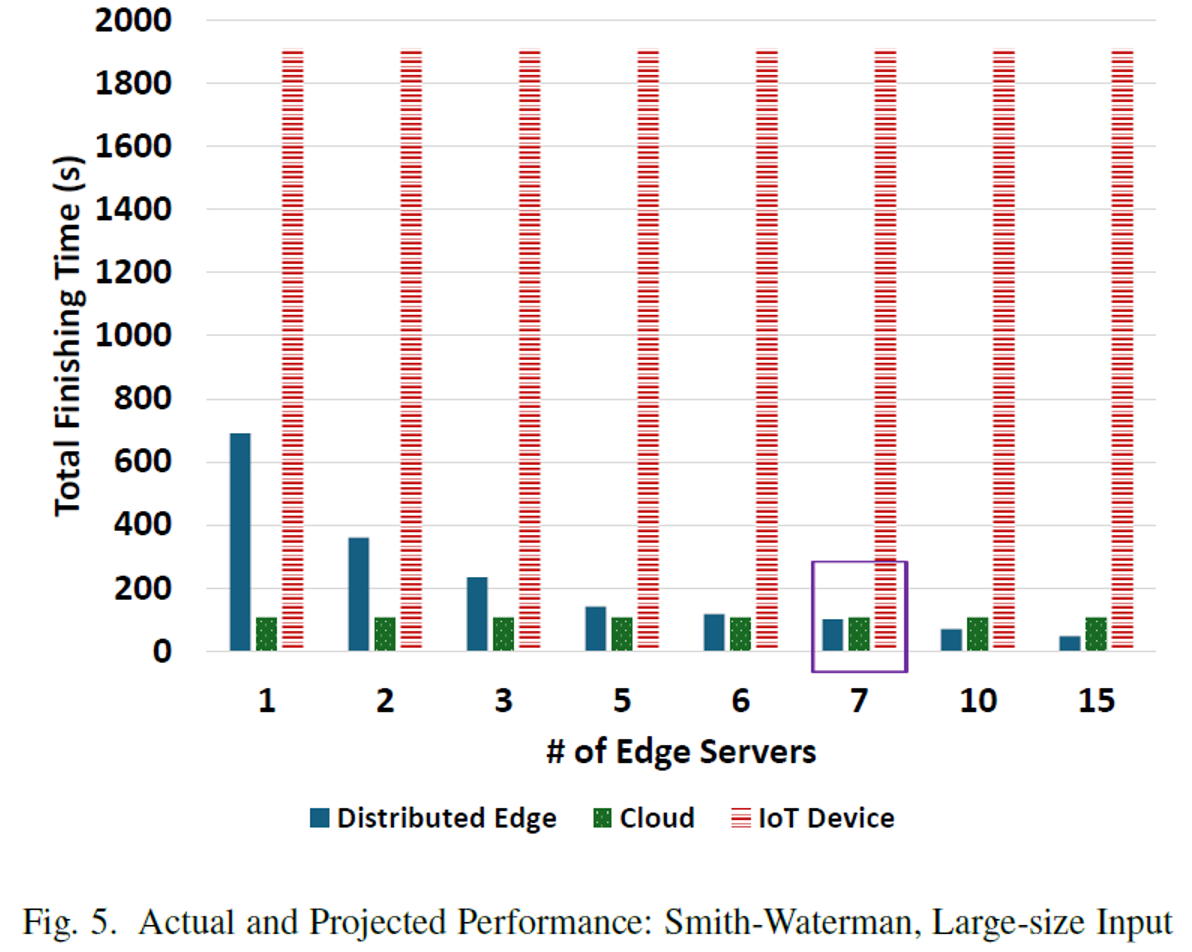
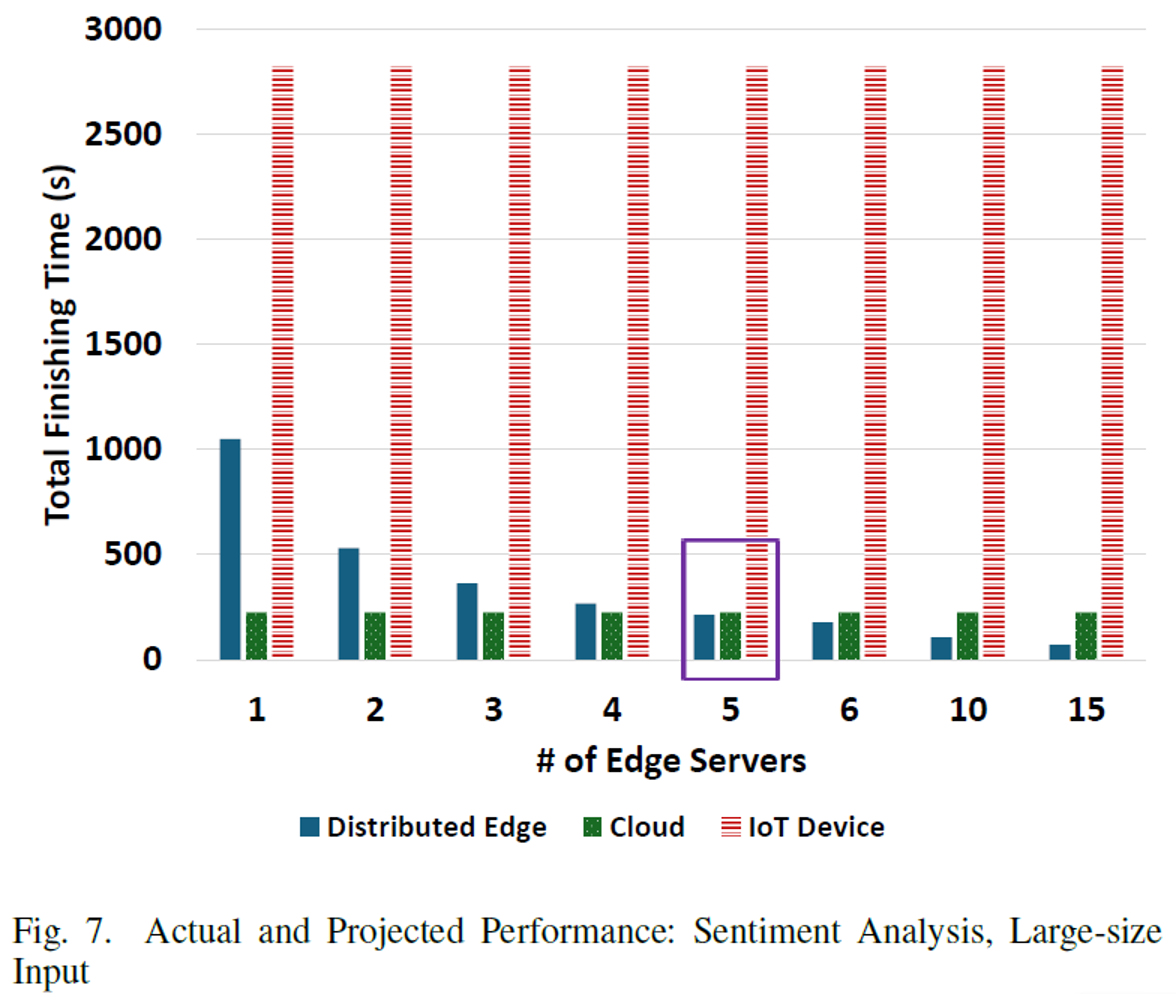
Edge computing has recently become a widely used computing model. In edge computing, people deploy edge servers at locations closer to devices, which generate large amounts of data. Hence, edge computing can improve application performances by...
Read moreShow lessEdge computing has recently become a widely used computing model. In edge computing, people deploy edge servers at locations closer to devices, which generate large amounts of data. Hence, edge computing can improve application performances by reducing the server latency and response time. Nowadays, Raspberry Pi is a small device for many Internet of Things (IoT) applications. In this paper, we investigate the concept of distributed edge computing, design a prototype, and implement that using Raspberry Pi devices. We utilize the parallel computing feature offered by our prototype and Raspberry Pis to show the benefits of distributed edge computing. We conduct extensive hands-on experiments for multiple applications and compare the performances among different computing models. Our evaluation results show that our distributed edge computing prototype can improve the performance with multiple edge servers.
A timeline of my professional experiences and roles in the tech industry.
My academic background and qualifications.


